
 English
 Русский

04:21PM 08/20/2026
Chaks Kas
Chaks Kas

0
|
| |
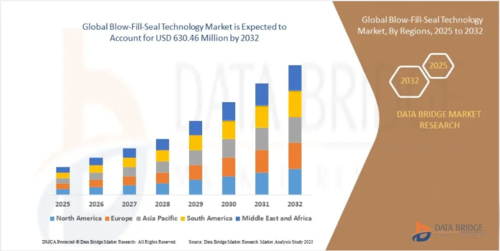
Global Blow-Fill-Seal Technology Market Size, Share, Growth, Trends and Forecast, 2026–2033 " According to the latest report published by Data Bridge Market Research, the Blow-Fill-Seal Technology Market CAGR Value The global Blow-Fill-Seal Technology Market size was valued at USD 366.66 million in 2024 and is expected to reach USD 630.46 million by 2032, growing at a CAGR of 7.01% during the forecast period. Market definition mentioned in this Blow-Fill-Seal Technology Market document covers the market drivers which indicate the factors causing rise in the market and market restraints which indicates the factors causing fall in the market growth. The report is generated based on the market type, size of the organization, availability on-premises, the end-users’ organization type, and the availability in areas such as North America, South America, Europe, Asia-Pacific and Middle East & Africa. Significant industry trends, estimations of market size and market share are analysed and discussed in this report. Different markets, marketing strategies, trends, future products and emerging opportunities are taken into account while studying market and preparing this Blow-Fill-Seal Technology Market document. Stay informed with our latest keyword market research covering strategies, innovations, and forecasts. Download full report: https://www.databridgemarketresearch.com/reports/global-blow-fill-seal-technology-market Blow-Fill-Seal Technology Market Segmentation and Market Companies Segments - Based on product type, the blow-fill-seal technology market can be segmented into bottles, ampoules, vials, prefillable syringes, and others. The bottles segment is expected to hold a significant share due to the rising demand for convenient packaging solutions in the pharmaceutical and food industries. - On the basis of material, the market can be categorized into polyethylene, polypropylene, polyethylene terephthalate, and others. Polyethylene is anticipated to dominate the market owing to its excellent barrier properties and suitability for a wide range of applications. - By end-use industry, the blow-fill-seal technology market is divided into pharmaceuticals, food & beverage, cosmetics & personal care, and others. The pharmaceutical industry is likely to be the largest consumer of blow-fill-seal technology, driven by the need for aseptic packaging solutions to ensure product safety and integrity. Market Players - Rommelag - Unither Pharmaceuticals - Catalent - Horizon Pharmaceuticals - Recipharm - The Ritedose Corporation - Unipharma - Prapan Solutions - Nephron Pharmaceuticals - HealthStar Pharmaceuticals Overall, the global blow-fill-seal technology market is witnessing significant growth due to the increasing demand for aseptic packaging solutions across various industries. The pharmaceutical sector is a major driver of market expansion, with stringent regulations mandating the use of such technologies to maintain product quality and safety. Additionally, the food and beverage industry is adopting blow-fill-seal technology for convenient packaging formats that offer extended shelf life and reduce the risk of contamination. The market is also driven by advancements in material science, leading to the development of novel polymers that enhance the performance of blow-fill-seal packaging. The rising focus on sustainable packaging solutions is another factor fueling market growth, as blow-fill-seal technology provides opportunities for reducing plastic waste through lightweight and recyclable packaging materials. Advancements in automation and robotics are further enhancing the efficiency and productivity of blow-fill-seal processes, driving adoption among manufacturers seeking cost-effective and high-throughput packaging solutions. Geographically, North America and Europe are expected to dominate the blow-fill-seal technology market, supported by established pharmaceutical and healthcare industries and a strong focus on innovation and technology adoption. In conclusion, the global blow-fill-seal technology market is poised for substantial growth driven by the increasing demand for aseptic packaging solutions, advancements in material science, sustainability considerations, and technological developments. Market players are focusing on product innovations and strategic partnerships to strengthen their market presence and capitalize on emerging opportunities in various end-use industries. The blow-fill-seal technology market is expected to experience continued growth due to several key factors shaping the industry landscape. One of the emerging trends in the market is the increasing focus on customization and flexibility in packaging solutions. Manufacturers are seeking to cater to specific needs and preferences of consumers by offering personalized packaging options, driving the demand for innovative blow-fill-seal technologies that can accommodate varying product requirements. This trend is particularly pronounced in the cosmetics and personal care industry, where brands are looking to differentiate themselves through unique packaging designs and functionalities. Another significant driver of market growth is the emphasis on quality control and regulatory compliance across industries. With stringent regulations governing product safety and integrity, companies are increasingly turning to blow-fill-seal technology as a reliable solution for achieving aseptic packaging standards. The pharmaceutical sector, in particular, is investing heavily in advanced packaging technologies to ensure compliance with stringent regulatory requirements and maintain the efficacy of sensitive drug formulations. As a result, market players are continuously innovating and upgrading their blow-fill-seal systems to meet the evolving needs of the pharmaceutical and healthcare industries. In addition to regulatory compliance, the market is also witnessing a surge in demand for sustainable packaging solutions driven by growing environmental concerns and shifting consumer preferences. Companies are exploring eco-friendly materials and packaging formats to minimize their carbon footprint and reduce plastic waste. Blow-fill-seal technology offers inherent advantages in terms of material efficiency and recyclability, making it an attractive option for companies looking to enhance their sustainability initiatives. This trend is aligning with a broader industry push towards circular economy principles and responsible business practices, further propelling the adoption of blow-fill-seal technologies across different end-use sectors. Moreover, the competitive landscape of the blow-fill-seal technology market is characterized by the presence of key players investing in research and development activities to introduce cutting-edge solutions and gain a competitive edge. Strategic collaborations, mergers, and acquisitions are becoming common strategies among market players to broaden their product portfolio, expand their geographic footprint, and foster innovation in the industry. This dynamic environment is fostering a culture of innovation and driving the evolution of blow-fill-seal technologies to address emerging challenges and opportunities in the market. Overall, the global blow-fill-seal technology market is poised for continued growth as companies across various industries recognize the value of aseptic packaging solutions, sustainability practices, and technological advancements in enhancing their competitive position in the market. By staying attuned to evolving market trends and leveraging innovative approaches, players in the blow-fill-seal technology sector can capitalize on the expanding opportunities and contribute to the overall growth and development of the industry.The blow-fill-seal technology market is experiencing significant growth driven by various factors that are reshaping the industry landscape. One notable trend is the increasing emphasis on customization and flexibility in packaging solutions, particularly in the cosmetics and personal care industry. Manufacturers are responding to consumer preferences for personalized packaging options by leveraging innovative blow-fill-seal technologies to meet specific product requirements. This trend is not only enhancing product differentiation but also driving demand for more versatile and customizable packaging solutions across different sectors. Quality control and regulatory compliance are also playing a crucial role in driving market growth, especially in industries like pharmaceuticals where maintaining product safety and integrity is paramount. The adoption of blow-fill-seal technology is growing as companies strive to meet stringent regulatory requirements and ensure aseptic packaging standards. The pharmaceutical sector, in particular, is investing significantly in advanced packaging technologies to uphold regulatory compliance and safeguard the efficacy of sensitive drug formulations. This focus on quality control is compelling market players to continuously innovate and upgrade their blow-fill-seal systems to cater to the evolving needs of the healthcare and pharmaceutical industries. Furthermore, the market is witnessing a surge in demand for sustainable packaging solutions as environmental concerns become more prominent and consumer preferences shift towards eco-friendly options. Companies are increasingly exploring materials and packaging formats that are sustainable and reduce plastic waste, aligning with circular economy principles and responsible business practices. Blow-fill-seal technology is gaining traction as an attractive packaging solution due to its material efficiency and recyclability, making it a preferred choice for companies looking to enhance their sustainability initiatives. This growing emphasis on sustainability is expected to drive further adoption of blow-fill-seal technologies across various end-use sectors. In terms of the competitive landscape, key players in the blow-fill-seal technology market are investing heavily in research and development to introduce innovative solutions and gain a competitive edge. Strategic collaborations, mergers, and acquisitions are becoming common strategies to expand product portfolios, enhance geographic reach, and foster innovation within the industry. This dynamic market environment is fostering a culture of innovation and driving the evolution of blow-fill-seal technologies to address emerging challenges and opportunities effectively. Overall, the global blow-fill-seal technology market is poised for continued growth as companies across different industries recognize the value of aseptic packaging solutions, sustainability practices, and technological advancements in staying competitive. By adapting to evolving market trends and leveraging innovative strategies, market players can capitalize on the expanding opportunities and contribute to the overall growth and development of the industry. Frequently Asked Questions About This Report What is the degree of vertical integration in the Blow-Fill-Seal Technology Market? What is the long-term future outlook for the Blow-Fill-Seal Technology Market (2033 and beyond)? How do cultural factors influence Blow-Fill-Seal Technology Market demand globally? What role does Customer Experience play in Blow-Fill-Seal Technology Market strategy? What strategic moves are companies making to combat [Restraint X]? What is the adoption rate of Blow-Fill-Seal Technology Market among SMEs? How are emerging economies shaping the future of the Blow-Fill-Seal Technology Market? What are the strategic recommendations for stakeholders in the Blow-Fill-Seal Technology Market? How will the Blow-Fill-Seal Technology Market respond to Universal Basic Income (UBI)? What are the recent mergers and acquisitions in the Blow-Fill-Seal Technology Market? What challenges does the Blow-Fill-Seal Technology Market currently face regarding risk? What is the projected impact of autonomous shipping on Blow-Fill-Seal Technology Market margins? What are the primary factors driving the growth of the Blow-Fill-Seal Technology Market? Browse More Reports: Global Elderly Care Market Global Marine Insurance Market Global Medicinal Herbs Market Global Genomics Market Global Maintenance Repair and Operations (MRO) Market Global Biotechnology Market Global Pulp and Paper Market Malaysia Elderly Care Market Global Computer Keyboard Market Global Polyethylene Market Global Water Purifiers Market Global Aesthetic Medicine Market Global Functional Gummies and Jellies Market Global Leather Goods Market Global Transport and Logistics Market Contact Us: Data Bridge Market Research US: +1 614 591 3140 UK: +44 845 154 9652 APAC : +653 1251 985 Email:- corporatesales@databridgemarketresearch.com"
 1 |
|
|
| |
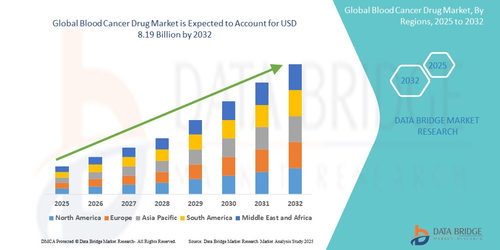
Global Blood Cancer Drug Market Size, Share, Growth, Trends and Forecast, 2026–2033 " According to the latest report published by Data Bridge Market Research, the Blood Cancer Drug Market CAGR Value The global blood cancer drug market size was valued at USD 5.30 billion in 2024 and is expected to reach USD 8.19 billion by 2032, at a CAGR of 5.60% during the forecast period A large scale Blood Cancer Drug Market research reports help business or organization in every sphere of trade to take better decisions, to respond the toughest business questions and reduce the risk of failure. Global market research analysis report serves a lot for the business and gives solution for the toughest business questions. This report contains a deep knowledge and information on what the market’s definition, classifications, applications, and engagements are while explaining the drivers and restraints of the market which is derived from SWOT analysis. Blood Cancer Drug Market document includes major manufacturers, suppliers, distributors, traders, customers, investors, major types, and major applications. Stay informed with our latest keyword market research covering strategies, innovations, and forecasts. Download full report: https://www.databridgemarketresearch.com/reports/global-blood-cancer-drug-market Blood Cancer Drug Market Segmentation and Market Companies Segments - By Type: The blood cancer drug market can be segmented into leukemia, lymphoma, and myeloma. Leukemia is further categorized into acute lymphocytic leukemia (ALL), chronic lymphocytic leukemia (CLL), acute myeloid leukemia (AML), and chronic myeloid leukemia (CML). Lymphoma includes Hodgkin lymphoma and non-Hodgkin lymphoma. Myeloma, also known as multiple myeloma, is another significant segment. - By Therapy: Based on therapy, the market can be segmented into chemotherapy, targeted therapy, immunotherapy, and stem cell transplant. Chemotherapy remains a fundamental treatment option for many blood cancer patients, while targeted therapy and immunotherapy have shown promising results in specific subtypes of blood cancer. Stem cell transplant, particularly bone marrow transplant, is a critical procedure for certain cases. - By Distribution Channel: The distribution channels in the blood cancer drug market include hospitals pharmacies, retail pharmacies, and online pharmacies. Hospitals pharmacies are the primary channel for dispensing blood cancer drugs due to the complexity and specificity of these medications. Retail and online pharmacies cater to patients requiring ongoing medication refills. Market Players - Roche: As a leading player in the global blood cancer drug market, Roche offers a range of innovative therapies for leukemia, lymphoma, and myeloma. Their portfolio includes blockbuster drugs such as Rituxan and Gazyva. - Novartis: Novartis has a strong presence in the blood cancer drug market with drugs like Tasigna for CML and Kymriah, a groundbreaking CAR-T therapy for certain types of lymphoma. - Johnson & Johnson: With a focus on research and development, Johnson & Johnson has made significant contributions to the blood cancer drug market with drugs like Imbruvica for CLL and Darzalex for multiple myeloma. - AbbVie: AbbVie's drug, Venclexta, has shown efficacy in treating certain forms of leukemia, consolidating the company's position in the blood cancer drug market. - Bristol-Myers Squibb: Known for drugs like Sprycel and Opdivo, Bristol-Myers Squibb continues to be a key player in the blood cancer drug market, offering innovative treatment options. The blood cancer drug market is experiencing a significant transformation driven by advancements in research and development, as well as increasing focus on personalized medicine. One key trend shaping the market is the shift towards targeted therapies and immunotherapies, which offer more precise and effective treatment options for various blood cancer types. These therapies work by targeting specific molecules or cells involved in cancer growth, leading to improved outcomes and reduced side effects compared to traditional chemotherapy. The growing emphasis on immunotherapy, such as CAR-T cell therapy, is particularly noteworthy as it represents a novel approach to treating blood cancers by harnessing the power of the immune system to fight cancer cells. Moreover, the market is witnessing a rise in collaborations and partnerships between pharmaceutical companies, research institutions, and healthcare providers to enhance drug development and access to innovative treatments. These collaborations enable companies to leverage complementary expertise and resources, accelerating the pace of drug discovery and clinical trials. Additionally, initiatives focusing on early diagnosis and personalized treatment strategies are gaining traction in the blood cancer drug market, aiming to tailor therapies to individual patient profiles for better outcomes and reduced healthcare costs in the long term. Furthermore, the increasing prevalence of blood cancers worldwide is driving the demand for novel treatment options, creating opportunities for market players to expand their product portfolios and geographical presence. With a growing emphasis on precision medicine and genomic testing, there is a rising need for improved diagnostics and biomarker identification in blood cancer patients. This shift towards more targeted and personalized approaches is projected to drive innovation in drug development and propel market growth in the coming years. Another factor influencing the market dynamics is the evolving regulatory landscape governing blood cancer drug approvals and reimbursement policies. Regulatory agencies are increasingly prioritizing expedited review pathways for breakthrough therapies in oncology, facilitating accelerated market access for innovative drugs. Additionally, efforts to streamline reimbursement processes and ensure cost-effective treatment options for patients are shaping market trends and influencing drug pricing strategies among industry players. In conclusion, the blood cancer drug market is at an exciting juncture with unprecedented opportunities for growth and innovation. The convergence of targeted therapies, immunotherapies, and personalized medicine approaches is revolutionizing the treatment landscape for blood cancers, offering new hope to patients and driving transformative changes in the healthcare industry. As market players continue to invest in research and development, strategic collaborations, and regulatory compliance, the future of blood cancer treatment looks promising, with prospects for novel therapies and improved patient outcomes on the horizon.The blood cancer drug market is witnessing a paradigm shift driven by a surge in research and development activities, coupled with a growing preference for personalized medicine approaches. One of the most prominent trends shaping the market is the increasing emphasis on targeted therapies and immunotherapies, which are offering more precise and efficient treatment options for various types of blood cancers. Targeted therapies work by pinpointing specific molecules or cells involved in cancer growth, leading to enhanced treatment outcomes and reduced side effects compared to conventional chemotherapy. Immunotherapies, such as CAR-T cell therapy, are gaining momentum as they harness the body's immune system to combat cancer cells effectively. Collaborations and partnerships are also playing a pivotal role in advancing drug development and expanding patient access to innovative treatments within the blood cancer drug market. By pooling expertise and resources, pharmaceutical companies, research institutions, and healthcare providers can accelerate the pace of clinical trials and drug discovery processes. Additionally, initiatives focusing on early diagnosis and personalized treatment regimens are gaining traction, aiming to tailor therapies according to individual patient characteristics for improved efficacy and cost-effectiveness in the long term. The rising global prevalence of blood cancers is fueling the demand for novel treatment options, presenting lucrative opportunities for market players to diversify their product portfolios and geographical footprint. Precision medicine and genomic testing are becoming increasingly important, driving the need for enhanced diagnostics and biomarker identification in blood cancer patients. This shift towards tailored and individualized approaches is poised to catalyze innovation in drug development, propelling market growth in the foreseeable future. Furthermore, the evolving regulatory landscape governing blood cancer drug approvals and reimbursement policies is influencing market dynamics. Regulatory bodies are prioritizing expedited review pathways for groundbreaking oncology therapies, facilitating accelerated market entry for innovative drugs. Efforts to streamline reimbursement processes and ensure cost-effective treatment solutions for patients are also shaping market trends and influencing drug pricing strategies adopted by industry stakeholders. In conclusion, the blood cancer drug market is undergoing a transformative phase characterized by unprecedented growth opportunities and innovation prospects. The convergence of targeted therapies, immunotherapies, and personalized medicine approaches is revolutionizing the treatment landscape for blood cancers, offering renewed hope to patients and driving substantial changes in the healthcare sector. Continued investments in research and development, strategic collaborations, and compliance with regulatory standards are poised to drive the development of novel therapies and advance patient outcomes in the blood cancer treatment realm. Frequently Asked Questions About This Report What are the future opportunities in Circular Economy for Blood Cancer Drug Market players? What are the primary revenue streams within the Blood Cancer Drug Market? Which raw material segment currently dominates the Blood Cancer Drug Market? What is the impact of Cloud Transformation on Blood Cancer Drug Market efficiency? Which players are focusing on low-cost Blood Cancer Drug Market solutions? Which region leads the global Blood Cancer Drug Market for niche segments? What are the environmental concerns related to the Blood Cancer Drug Market? What is the competitive intensity of the Blood Cancer Drug Market (Porter’s Five Forces)? What is the expected IRR for investments in the Blood Cancer Drug Market? Who are the major raw material suppliers in the Blood Cancer Drug Market? How is Artificial Intelligence (AI) being integrated into the Blood Cancer Drug Market? What is the price elasticity of demand in the Blood Cancer Drug Market? Browse More Reports: Global Animation Market Global Elderly Care Market Global Marine Insurance Market Global Medicinal Herbs Market Global Genomics Market Global Maintenance Repair and Operations (MRO) Market Global Biotechnology Market Global Pulp and Paper Market Malaysia Elderly Care Market Global Computer Keyboard Market Global Polyethylene Market Global Water Purifiers Market Global Aesthetic Medicine Market Global Functional Gummies and Jellies Market Global Leather Goods Market Contact Us: Data Bridge Market Research US: +1 614 591 3140 UK: +44 845 154 9652 APAC : +653 1251 985 Email:- corporatesales@databridgemarketresearch.com"
 1 |
|
|
| |
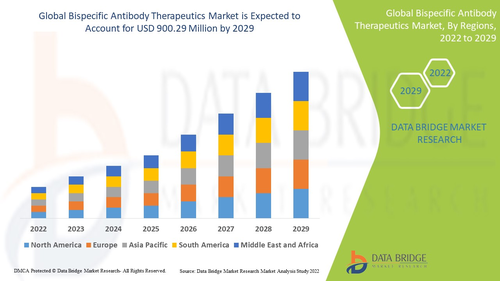
Global Bispecific Antibody Therapeutics Market Size, Share, Growth, Trends and Forecast, 2026–2033 " According to the latest report published by Data Bridge Market Research, the Bispecific Antibody Therapeutics Market CAGR Value Global bispecific antibody therapeutics market size was valued at USD 641.90 million in 2024 and is projected to reach USD 1102.90 million by 2032, with a CAGR of 7.0% during the forecast period of 2025 to 2032. This Bispecific Antibody Therapeutics Marketresearch report is structured by performing the systematic, objective and exhaustive study of the facts related to several subjects in the field of marketing. This market research report provides relevant and specific information to the decision makers in a right direction which saves their time and support in what they do most excellent. Under market segmentation, research and analysis is done based on application, vertical, deployment model, end user, and geography. The major aspects of this Bispecific Antibody Therapeutics Market document include complete and distinct analysis of the market drivers and restraints, key market players involved in this industry, detailed analysis of the market segmentation, and competitive analysis of the key players. Stay informed with our latest keyword market research covering strategies, innovations, and forecasts. Download full report: https://www.databridgemarketresearch.com/reports/global-bispecific-antibody-therapeutics-market Bispecific Antibody Therapeutics Market Segmentation and Market Companies Segments - By Type: The bispecific antibody therapeutics market can be segmented into IgG-like Molecules, IgE-like Molecules, Single Chain Bispecifics, Dual Variable Domain Immunoglobulin, Fc-Less Bispecifics, and others. Each type offers unique properties and advantages in targeting specific antigens and pathways within the body. - By Application: The market can be segmented into Oncology, Infectious Diseases, Immunology, Neurological Diseases, Cardiovascular Diseases, and others. Bispecific antibody therapeutics have shown promising results in the treatment of various diseases, with oncology being the largest application segment due to the need for targeted and effective cancer treatments. - By End-User: This segment includes Hospitals, Clinics, Research Institutes, and Others. Hospitals and clinics are the major end-users of bispecific antibody therapeutics, as they are at the forefront of patient care and treatment, while research institutes play a vital role in advancing the development and understanding of these innovative therapies. Market Players - Roche: A leading player in the bispecific antibody therapeutics market, Roche has a strong portfolio of innovative therapies and a global presence that allows them to cater to a wide range of patient needs. - Amgen: Another key player in the market, Amgen is known for its cutting-edge research and development in the field of bispecific antibody therapeutics, particularly in oncology. - Novartis: With a focus on precision medicine and targeted therapies, Novartis has made significant advancements in the development of bispecific antibody therapeutics for various diseases. - AbbVie: AbbVie is a key player in the market, known for its expertise in immunology and infectious diseases, where bispecific antibody therapeutics have shown great potential. - Regeneron Pharmaceuticals: Known for its innovative approach to drug development, Regeneron Pharmaceuticals has been at the forefront of developing novel bispecific antibody therapeutics for a range of diseases. The global bispecific antibody therapeutics market is projected to experience significant growth in the coming years, driven by increasing investment in research and development, rising prevalence of chronic diseases, and a growing demand for targeted and personalized therapies. Advances in technology and a better understanding of disease mechanisms are also contributing to the expansion of the market, with key players continuously innovating to bring new and improved therapies to patients worldwide. The global bispecific antibody therapeutics market continues to witness significant growth and development, driven by several key factors shaping the industry landscape. One notable trend is the increasing focus on personalized medicine and targeted therapies, reflecting the shift towards more precise and effective treatment options for various diseases. Bispecific antibody therapeutics offer a unique approach by simultaneously targeting multiple antigens or pathways, maximizing therapeutic efficacy and reducing potential side effects. This innovative strategy has gained traction in the pharmaceutical industry, particularly in the treatment of complex conditions such as cancer, infectious diseases, and autoimmune disorders. Furthermore, the market players mentioned are at the forefront of driving innovation and advancement in the field of bispecific antibody therapeutics. Roche, Amgen, Novartis, AbbVie, and Regeneron Pharmaceuticals have established themselves as key influencers in the market, leveraging their expertise in research and development to bring novel therapies to patients worldwide. These companies have demonstrated a commitment to pushing the boundaries of treatment options, with a particular emphasis on precision medicine and tailored approaches to disease management. In addition to the established market players, emerging biopharmaceutical companies are also making significant contributions to the evolution of the bispecific antibody therapeutics market. By leveraging cutting-edge technologies and novel drug delivery platforms, these innovative companies are exploring new avenues for therapeutic interventions and shaping the future of healthcare. Collaborations between industry leaders, research institutions, and regulatory bodies are driving synergy and fostering a collaborative ecosystem conducive to the advancement of bispecific antibody therapeutics. Looking ahead, the global bispecific antibody therapeutics market is poised for continued growth and expansion, fueled by ongoing research and development initiatives, increasing regulatory approvals, and growing patient demand for targeted therapies. The market landscape is dynamic and competitive, with a focus on addressing unmet medical needs and delivering groundbreaking solutions to improve patient outcomes. As the industry continues to evolve, stakeholders are encouraged to stay abreast of the latest trends, advancements, and opportunities within the bispecific antibody therapeutics market to capitalize on emerging prospects and contribute to the advancement of healthcare innovation.The global bispecific antibody therapeutics market has been witnessing a significant evolution, with a notable trend towards personalized medicine and targeted therapies. This shift reflects the increasing demand for more precise and effective treatment options, particularly for complex diseases such as cancer, infectious diseases, and autoimmune disorders. Bispecific antibody therapeutics, with their unique ability to target multiple antigens simultaneously, offer a promising approach to maximizing therapeutic efficacy while minimizing potential side effects. This innovative strategy has garnered attention in the pharmaceutical industry and is driving advancements in the field of precision medicine. Market players such as Roche, Amgen, Novartis, AbbVie, and Regeneron Pharmaceuticals are instrumental in shaping the landscape of the bispecific antibody therapeutics market. These key influencers are leveraging their expertise in research and development to introduce novel therapies that address unmet medical needs and provide tailored treatment approaches for patients worldwide. By focusing on precision medicine and cutting-edge technologies, these companies are at the forefront of developing innovative solutions for a range of diseases, further propelling the market growth. In addition to established players, emerging biopharmaceutical companies are making substantial contributions to the market by exploring new avenues for therapeutic interventions and leveraging advanced drug delivery platforms. These companies are driving innovation and shaping the future of healthcare by collaborating with industry leaders, research institutions, and regulatory bodies to foster a collaborative ecosystem conducive to the advancement of bispecific antibody therapeutics. The dynamic and competitive market landscape underscores the importance of staying informed about the latest trends, advancements, and opportunities within the industry to capitalize on emerging prospects and contribute to healthcare innovation. Looking ahead, the global bispecific antibody therapeutics market is poised for continued growth, fueled by ongoing research and development initiatives, regulatory approvals, and escalating patient demand for targeted therapies. As the industry evolves, stakeholders are encouraged to embrace new technologies, collaborations, and strategies to address unmet medical needs and drive transformative changes in healthcare delivery. With a focus on innovation and patient-centric approaches, the market for bispecific antibody therapeutics is set to expand, offering new possibilities for improved treatment outcomes and enhancing the quality of patient care on a global scale. Frequently Asked Questions About This Report What are the supply chain vulnerabilities in the Bispecific Antibody Therapeutics Market? How do Ethical Concerns affect consumer sentiment in the Bispecific Antibody Therapeutics Market? Which region has the highest number of Bispecific Antibody Therapeutics Market patents? What is the role of Ocean Mining in the Bispecific Antibody Therapeutics Market value chain? How are Contract Manufacturers (CMOs) shaping the Bispecific Antibody Therapeutics Market? How does Diversity & Inclusion (D&I) affect Bispecific Antibody Therapeutics Market innovation? What are the main distribution channels for Bispecific Antibody Therapeutics Market in Africa? How is Cybersecurity risk impacting the Bispecific Antibody Therapeutics Market ? How does user-generated content affect the Bispecific Antibody Therapeutics Market? What is the impact of [Specific Regional Policy] on the Bispecific Antibody Therapeutics Market? Browse More Reports: Middle East and Africa Nuts Market Europe Orthopedic Prosthetics Market Global AI Code Market Global Digital Textile Printing Market Global Display Market Global Dry Skin Treatment Market Global Egg Tray Market Global Food Salt Market Global Legal Marijuana Market Global Millets Market Global Mobile Stroke Unit (MSU) Market Global Mountain Bicycles Market Global Non-starch Polysaccharide (NSP) Enzyme Market Global Payment Processing Solutions Market Global Pertuzumab Market Contact Us: Data Bridge Market Research US: +1 614 591 3140 UK: +44 845 154 9652 APAC : +653 1251 985 Email:- corporatesales@databridgemarketresearch.com"
 1 |
